Roofing Inspection in Montgomery Texas
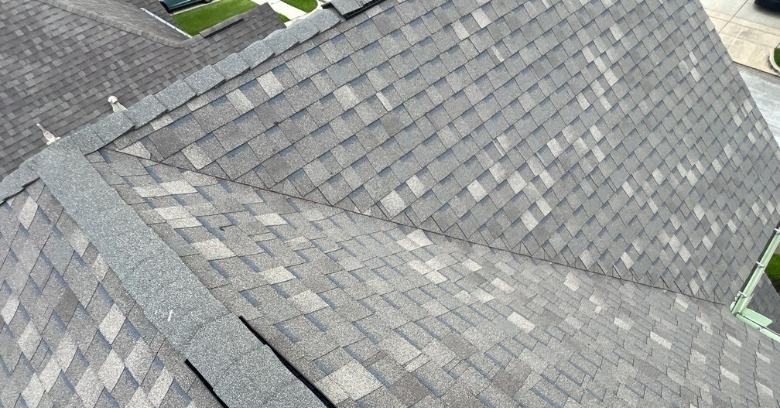
A roof rarely fails without warning. The trouble usually starts small, as a lifted shingle, a hairline crack in the flashing, or a nail that has backed out, and it stays hidden until the day it becomes a stain on your ceiling. A regular roofing inspection is how you catch those problems while they are still cheap to fix. TruPro Roofing and Renovations helps homeowners in Montgomery Texas stay ahead of roof trouble instead of chasing it.
How often should you have a roofing inspection? A good rhythm for our area is twice a year, in spring and fall, plus a check after any significant hail or windstorm. Our spring storms and blistering summers age a roof faster than a mild climate would, so what might be an every-few-years habit elsewhere is worth doing more often here.
When an Inspection Matters Most
Beyond the seasonal checks, certain moments call for a professional look. After a hailstorm or high winds, a post-storm roof inspection finds damage that is invisible from the ground. Before buying or selling a home, a roof inspection protects everyone at the table. And when a storm has clearly done harm, an insurance roof inspection documents it for your claim.
Catching Small Problems Early
An inspection that finds a minor issue often prevents a major one, and if we spot damage, our roofing repair team can address it before it spreads. To see everything we offer, visit our roofing services. We inspect roofs across the region, including Roofing Inspection in Conroe Texas and Roofing Inspection in Spring Texas.
What Regular Inspections Save You
The value of an inspection is measured in the problems it prevents, and they add up quickly. A lifted shingle found and re-secured in spring is a few minutes of work; the same shingle left through a summer of storms becomes a leak, and that leak becomes wet insulation, stained ceilings, and eventually rotted decking that must be replaced during the next roof. The gap between those two outcomes is enormous, and an inspection is what stands between them. Beyond catching individual defects, regular inspections give you a running picture of your roof's overall health, so you can plan and budget for an eventual replacement on your own timeline rather than being forced into an emergency decision when the roof fails during a storm. They also create a documented history of your roof's condition, which is genuinely useful if you ever file an insurance claim or sell the home. For the modest cost of a professional look twice a year, you trade the risk of a large, sudden expense for a series of small, manageable ones. In our hail-and-heat climate, where roofs age fast, that trade is one of the smartest moves a homeowner can make.
Frequently Asked Questions About Roofing Inspection in Montgomery Texas
How often should I have my roof inspected?
For our climate, twice a year is a sound habit, ideally in spring and fall, plus a check after any major hail or windstorm. Our intense weather ages roofs quickly, so regular inspections pay off.
What does a roofing inspection cover?
We examine the shingles, flashing, valleys, vents, and penetrations on the roof, check the gutters, and look inside the attic for leaks, staining, and ventilation problems. Then we give you a clear picture of the roof's condition.
Do I need an inspection after a storm?
Yes. Hail and wind can damage a roof in ways that are not visible from the ground, and catching that damage promptly protects both your home and any potential insurance claim.
Is a roof inspection free?
We offer free roof inspections with a written assessment and no obligation, so you can understand your roof's condition and plan any needed work on your own timeline.
What happens if the inspection finds a problem?
We explain exactly what we found, show you the evidence, and lay out your options, whether that is a simple repair, ongoing maintenance, or a larger project. The choice is always yours.
Stay ahead of roof trouble in Montgomery Texas. Call TruPro Roofing and Renovations at (936) 237-7846 to schedule your free roofing inspection.

 Verified


Verified

Verified

Verified

Verified

Verified

Verified

Verified

Verified

Verified

Verified

Verified

Verified

Verified

Verified

Verified

Verified

Verified

Verified

Verified