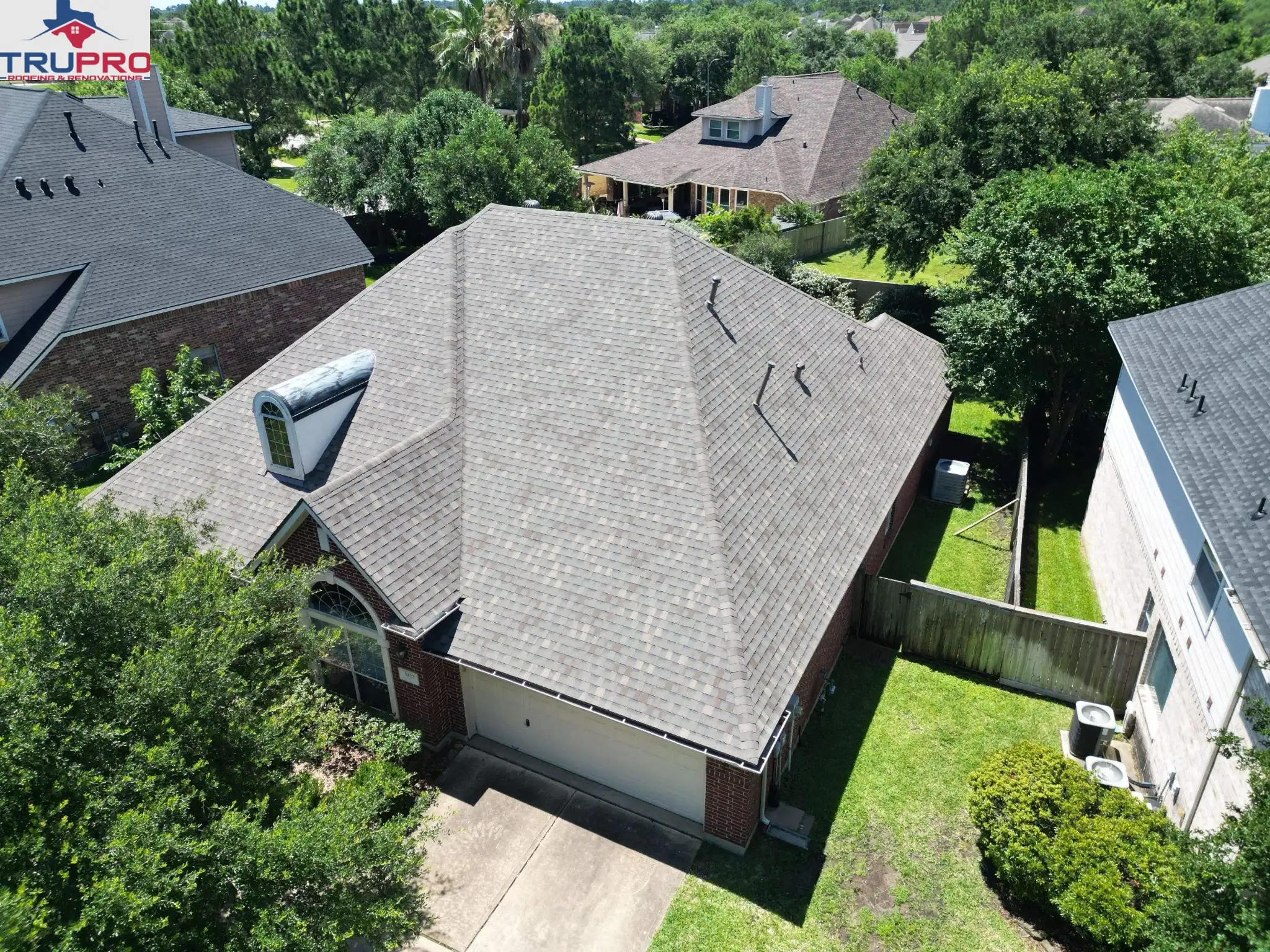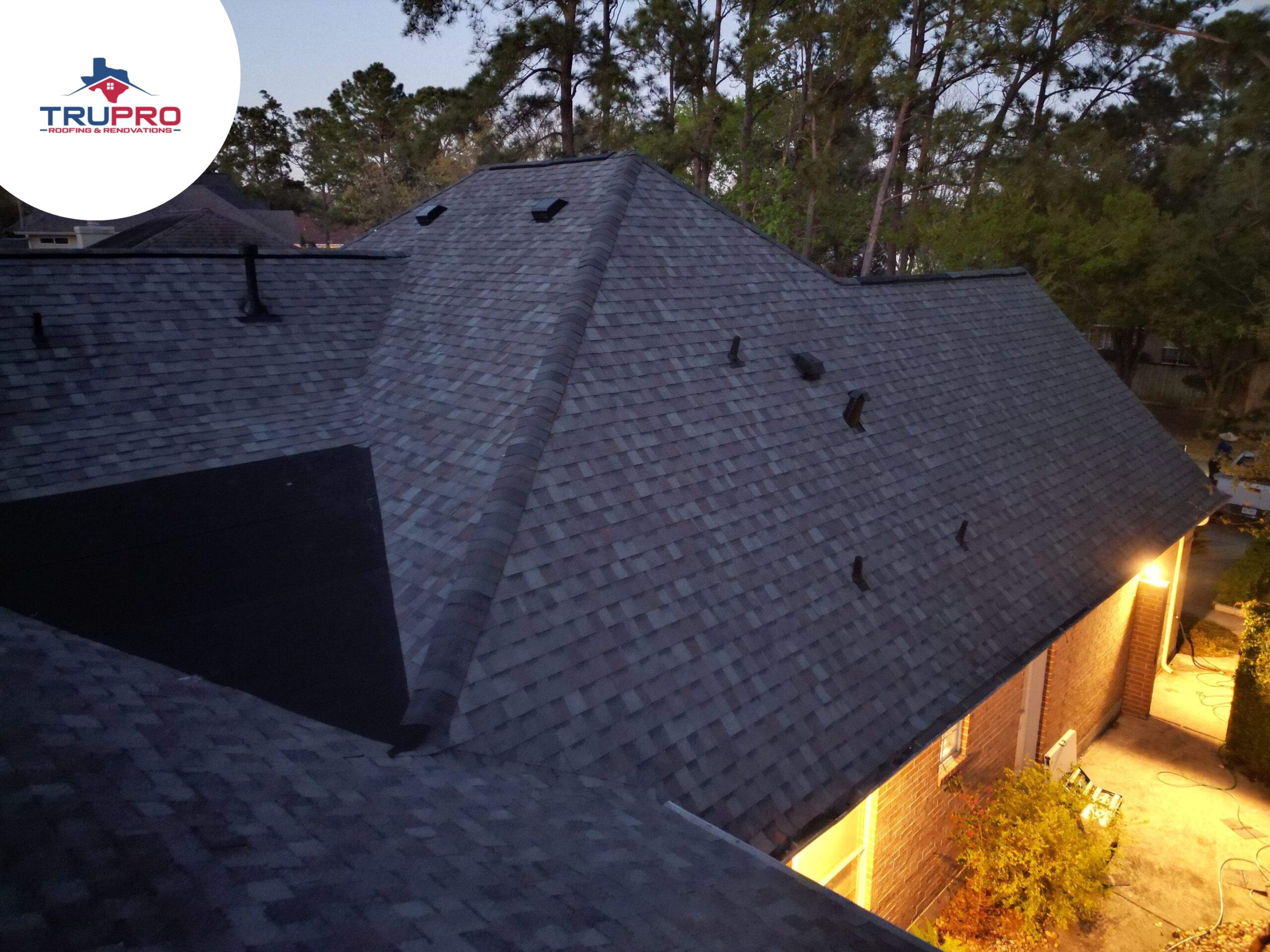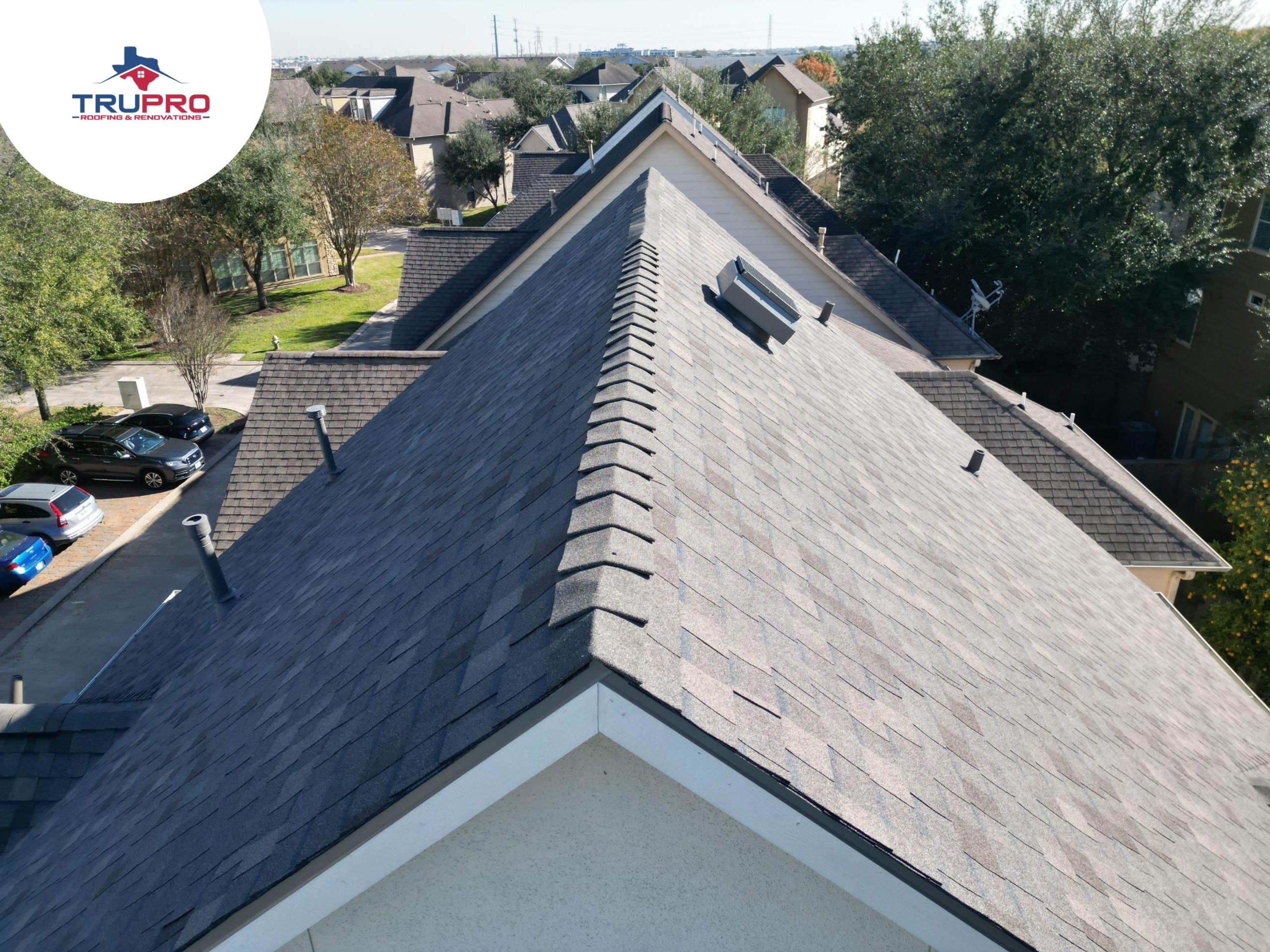
When it comes to protecting your biggest investment - your home - few elements play as crucial a role as your roof. Your roof shields you from the relentless Texas sun, torrential rains, and occasional hailstorms that sweep across regions like Conroe Texas and neighboring Cypress. But like all things, even the sturdiest roofs are not immune to wear and tear over time. For many homeowners, determining exactly when it is time to call a roofing contractor for a replacement can feel daunting. Do you simply need a repair or is your home due for a complete roofing overhaul? Understanding this distinction can help you save thousands, prevent unnecessary stress, and see that your family stays comfortable and dry year-round.
In Texas, roofs endure particularly harsh conditions. The climate in places like Conroe and Cypress Texas fluctuates between hot summers, severe thunderstorms, and unexpected cold snaps. Combine this with intense UV exposure as well as seasonal winds and it is no wonder that roofing in Texas requires special attention. As your roof ages, you may notice subtle signs such as granules collecting in gutters, slight discoloration, or even the occasional missing shingle. While these issues may seem minor, they can escalate if left unchecked, potentially leading to structural damage inside your home.
A professional roofing contractor possesses the expertise to evaluate your roof's condition and provide clarity on whether a simple fix will suffice or if a more substantial replacement is needed. With the stakes so high, it is vital to understand the indicators of roofing failure, the benefits and drawbacks of replacement, and how the process unfolds in our specific Texas regions. This article will guide you through the essential details, from understanding roof serviceable lives and inspection tips to the unique challenges faced by homes in Conroe and Cypress.
If you are noticing leaks, sagging, or increasing energy bills, you are not alone. Homeowners across Texas face similar dilemmas every year, prompting a surge in demand for reliable roofing contractors who can offer honest advice and impeccable workmanship. Whether you are a first-time buyer, a long-time resident, or planning renovations, knowing how to decide if you need roofing replacement in Texas is invaluable. Not only does it provide reassurance, but it also safeguards your home for years to come. So, let's look more closely at the essentials every homeowner in Conroe Texas, Cypress, and beyond should know!
Understanding the Serviceable Life of Your Roof
The first and most fundamental factor in roof replacement decisions is understanding your roof's serviceable life. The longevity of a roof depends largely on the materials used, installation quality, and how well it is maintained. Typical asphalt shingles, the most common roofing material in Texas, last between 15 and 25 years. Of course, some premium options like metal, tile, or slate can endure for 40 years or longer. If your roof is approaching or has surpassed its expected serviceable life, it is wise to schedule an inspection with a local roofing contractor.
In Conroe and Cypress Texas, specific weather patterns can accelerate roof aging. Prolonged exposure to harsh sunlight can cause shingles to crack or curl. Heavy rain and humidity may lead to algae and moss growth, which weakens structural integrity over time.
Key Signs It Is Time for a Roof Replacement
It is not always easy for the untrained eye to spot when a roof is truly at the end of its serviceable life. Here are several telltale signs that might indicate a replacement is due:
- Frequent Leaks and Water Stains: Repeated leaks, especially in different areas, often indicate a systemic problem. Check for brown patches on ceilings and walls, a classic sign of water infiltration.
- Missing, Broken, or Curling Shingles: While a few damaged shingles might be fixed with repairs, widespread issues are cause for concern.
- Granules in Gutters: Shingle roofs shed granules as they age. If you are seeing excessive granules in your gutters or downspouts, it suggests your roof's protective coating is wearing thin.
- Sagging Roof Deck: This can signal water damage or structural issues that demand immediate attention.
- Increased Energy Bills: Poor roof insulation can reduce your HVAC efficiency, leading to unexpected spikes in energy costs.
- Moss, Mold, or Algae Growth: Besides being unsightly, these growths can erode roofing materials and trap moisture.
- Visible Sunlight in the Attic: If sunlight is peeking through, so can rain and pests.
A reliable roofing contractor in Texas will recognize these symptoms and help you decide between repairs and a full replacement.
Pros and Cons of Roof Replacement
Pros:
- Enhanced Protection: A new roof restores full defense against elements, preventing leaks and water damage.
- Improved Home Value: Roofing replacement is among the top returns on investment for home improvements, particularly in growing markets like Conroe and Cypress.
- Energy Efficiency: Modern roofing materials offer better insulation, reducing heating and cooling costs.
- Warranty Coverage: New installations come with updated manufacturer and contractor warranties.
- Aesthetic Appeal: A new roof can dramatically enhance your home's curb appeal.
Cons:
- Cost: Roof replacement is a significant expense; budgeting is critical.
- Disruption: The process can take several days and may result in some noise and inconvenience.
- Timing: Weather can delay installations, especially during rainy Texas seasons.
How Roofing Contractors Evaluate Your Roof
A thorough inspection by a certified roofing contractor involves more than just a cursory glance. Typically, the process includes:
- Exterior Inspection: Assessing shingle condition, flashing, gutters, and chimney caps. Contractors in Cypress and Conroe Texas pay special attention to storm damage and hail impacts, which are common in the area.
- Interior Inspection: Checking attic spaces for proper ventilation, moisture, insulation, and any signs of leaks or daylight.
- Estimate and Recommendation: After a comprehensive review, the contractor will present findings, photographs, and recommendations for repair or replacement, along with pricing and material options.
Choosing a local expert means that you benefit from someone familiar with specific regional challenges like local building codes and weather patterns.
Roofing Materials Suited to Texas Climates
Not all roofs are created equal, especially when dealing with Texas' unique climate. Roofs in Conroe and Cypress Texas face extreme heat, UV radiation, and abrupt weather shifts. Here are the most popular roofing types and their performance:
- Asphalt Shingles: Affordable, widely used, and available in many colors. However, they can be vulnerable to high winds and have a moderate serviceable life.
- Metal Roofing: Increasingly popular due to longevity, energy efficiency, and resistance to fire and hail.
- Tile and Slate: Offer distinctive aesthetics and durability but are heavier and often costlier.
- Synthetic Roofing Products: Designed to mimic natural materials, these options frequently provide improved durability and weather resistance, perfect for Texas homes.
When consulting with your roofing contractor, ask about cool roofing technologies and reflective coatings, which can lower indoor temperatures and energy bills.
Unique Challenges for Conroe and Cypress Homeowners
While the broader Texas climate presents its own risks, Conroe and Cypress have their unique roofing concerns:
- Storm and Hail Damage: Both regions experience hail storms, which can cause severe damage to shingles, flashing, and gutters.
- High Humidity and Rain: Persistent moisture can accelerate mold, algae, and rot.
- Tree Coverage: Mature trees are common in Cypress neighborhoods, offering shade but also increasing the risk from falling limbs and accumulating debris.
Given these factors, regular inspections and timely repairs are crucial to maximizing your roof's serviceable life in these communities.
When to Repair Versus Replace
Deciding whether to repair or replace is not always straightforward. Minor damages like a handful of missing shingles or isolated leaks can generally be handled with repairs; however, if over 25% of your roof is compromised or if repairs become increasingly frequent and costly, replacement is usually the more prudent choice. Think of it as the 50% Rule: If repair costs exceed half the price of a new roof, replacement is typically the best investment.
Understanding Replacement Timing and Process
Once you have decided to proceed with roofing replacement, preparation is key:
- Scheduling: Texas summers can be sweltering, but early spring and late fall are often ideal.
- Permits: Most municipalities including Conroe and Cypress require permits for major roofing projects. Your contractor should take care of this.
- Project Steps: Generally, old materials are stripped, the decking is inspected and repaired, and underlayment is installed, followed by your new roofing material.
- Duration: Most residential replacements take 2 to 5 days, depending on complexity and weather.
Regular communication with your contractor delivers a smooth process and helps you plan for minimal disruption.
Protecting Your Investment After Replacement
After a new roof is installed, prolong its life with:
- Routine Inspections: Aim for inspections every 1 to 2 years and after major storms.
- Prompt Repairs: Address small issues before they escalate.
- Gutter Maintenance: Keep gutters and downspouts clear to prevent water backup.
- Attic Ventilation: Proper airflow prevents moisture buildup and helps maintain energy efficiency.
Your roofing contractor can set you up with a maintenance schedule tailored to Texas conditions.
How to Choose the Right Roofing Contractor in Texas
Finding a trustworthy roofing contractor can make or break your experience. Look for contractors with:
- Local Experience: Familiarity with Conroe and Cypress-specific weather and building codes.
- Positive Reviews: Seek feedback from other homeowners in your area.
- Clear Communication: Contractors should be willing to answer questions, provide evidence of insurance, and supply written estimates.
- Certifications and Warranties: Ensure they are certified by major manufacturers and offer resilient workmanship warranties.
Ask each prospect about their experience with Texas roofing systems and do not be afraid to request references.
Conclusion
Deciding whether you need a roof replacement, particularly in areas like Conroe Texas and nearby Cypress, is not always straightforward. The state's challenging weather, combined with age and material limitations, means that every homeowner will eventually face this decision. Keeping a vigilant eye on signs of roof distress, staying informed about material options, and building a relationship with a trusted roofing contractor can greatly clarify the process.
A proactive approach means you will not be caught off guard by leaks during a storm or face mounting energy bills due to inadequate insulation. While significant, investing in new roofing promises reassurance and long-term savings. It is not just about shelter as it is about protecting your family, your belongings, and your investment for years to come.
If you live in Conroe or Cypress Texas or anywhere else in the state, do not wait until minor issues become major headaches. Reach out to a qualified local roofing contractor today for a comprehensive inspection. They will provide personalized insights, material recommendations, and a detailed plan to keep your home secure and beautiful, no matter what Texas weather brings your way. Safeguard your home, one shingle at a time!
Key Takeaways
- Recognize the Signs Early: Be attentive to leaks, missing shingles, granule loss, and energy bill spikes. Early detection of problems, either through self-inspection or with a roofing contractor's help, is crucial to preventing costly damage.
- Understand Roof Serviceable Lives: Most asphalt shingle roofs in Texas last between 15 to 25 years. If your roof is approaching this age range, schedule a professional evaluation before problems arise.
- Value Local Expertise: Roofing contractors in Conroe and Cypress know the unique challenges these areas face. Their regional experience makes sure your roof is constructed or replaced to withstand local weather patterns.
- Balance Cost vs Benefit: While repairs are suitable for localized damage, repeated or widespread issues signal it is time to invest in a full replacement, which can enhance your home's value and structural integrity.
- Consider Texas-Specific Materials: Select roofing materials designed for high UV exposure, hail, and heavy rains. Ask your contractor about metal roofing, cool coatings, or synthetic products suitable for the climate.
- Thorough Inspections Matter: Professional inspections cover both exterior and interior aspects, catching problems not visible from the ground or street.
- Plan for the Process: Roofing replacement can take several days and requires weather consideration. Scheduling during milder seasons in Texas often leads to faster, smoother installations.
- Choose the Right Contractor: Seek out licensed, insured, and well-reviewed contractors who provide clear communication, transparent estimates, and proven local results.
- Invest in Maintenance: Regular inspections and upkeep, especially after storms, can vastly extend your new roof's serviceable life and prevent unexpected expenses.
- Protect Your Investment: Beyond replacement, consistent maintenance, proper attic ventilation, and timely gutter cleaning are your best allies in prolonging roof performance in areas like Conroe and Cypress.
FAQs
1. How often should I have my roof inspected in Texas?
It is advisable to have your roof inspected by a professional roofing contractor at least once every 1 to 2 years and after any major storm. Regular inspections help catch problems early, particularly in weather-prone areas like Conroe and Cypress.
2. What are the warning signs that my roof needs replacement?
Key indicators include frequent leaks, missing or curled shingles, excessive granules in gutters, mold growth, increased energy bills, and the presence of daylight in your attic.
3. Is it better to repair or replace my roof?
If damage is isolated and your roof is relatively new, repairs may suffice. Yet if over 25% of the roof is compromised or repairs exceed half the cost of a replacement, investing in a new roof is usually wiser.
4. How long does a typical roofing replacement take in Texas?
Most roof replacements in Texas including Conroe and Cypress take about 2 to 5 days. Timing can depend on roof size, complexity, and weather conditions.
5. What roofing materials are best for Texas homes?
Metal roofing, high-quality asphalt shingles, tile, and certain synthetic products offer durability and weather resistance suited to the Texas climate.
6. How much does roof replacement cost in Conroe and Cypress Texas?
Costs vary depending on material, roof size, and contractor, but homeowners can expect to pay between $7,000 and $14,000 on average. Always get detailed estimates from local professionals.
7. Will insurance cover my roof replacement?
Homeowner's insurance often covers roof replacement if damage is caused by covered perils such as hail or windstorms. Wear-and-tear or neglect is typically not covered. Consult with your insurance provider and roofing contractor for guidance.
8. Do I need a permit for roofing replacement in Texas?
Yes, most municipalities including Conroe and Cypress require permits for roof replacement. Reliable roofing contractors will secure these permits as part of their service.
9. How can I make my new roof last longer?
Invest in regular inspections, promptly address repairs, keep gutters clean, and be sure of proper attic ventilation. Your roofing contractor can recommend a maintenance schedule for optimal longevity.
10. How do I choose the right roofing contractor in Texas?
Look for local experience, positive customer reviews, proper licensing and insurance, clear communication, and strong warranties. Ask for references from other homeowners in Conroe or Cypress to verify the contractor's reliability and craftsmanship.